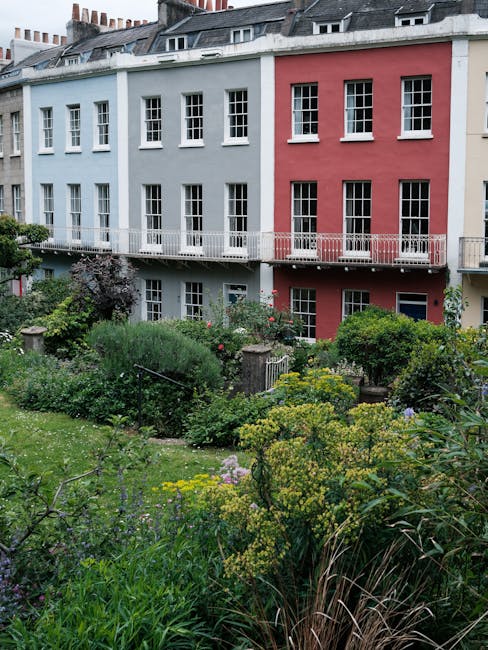
Farringdon gardeners real cost guide for EC1 gardens
If you live in EC1, you already know the garden story can be a bit complicated. Space is tight, access can be awkward, and one "quick tidy-up" often turns into a longer list once a gardener gets started. This Farringdon gardeners real cost guide for EC1 gardens is here to make the money side clearer, so you can budget with confidence instead of guessing and hoping for the best.
In a local area like Farringdon, the real cost of garden work is shaped by more than the job itself. It can depend on access through a passageway, the amount of green waste, whether the garden is overlooked, the condition of hedges or paving, and how much time the work genuinely takes. Let's face it, a small London garden can still be a serious piece of work.
This guide breaks down the main pricing factors, what tends to cost more, where people overspend, and how to choose the right service level for a courtyard, roof terrace, or compact back garden. If you want to compare options before booking, you can also look at the provider's pricing and quotes information alongside the broader gardening services overview.
Table of Contents
- Why Farringdon gardeners real cost guide for EC1 gardens Matters
- How Farringdon gardeners real cost guide for EC1 gardens Works
- Key Benefits and Practical Advantages
- Who This Is For and When It Makes Sense
- Step-by-Step Guidance
- Expert Tips for Better Results
- Common Mistakes to Avoid
- Tools, Resources and Recommendations
- Law, Compliance, Standards, or Best Practice
- Options, Methods, or Comparison Table
- Case Study or Real-World Example
- Practical Checklist
- Conclusion
- Frequently Asked Questions
Why Farringdon gardeners real cost guide for EC1 gardens Matters
Garden prices in EC1 can feel opaque if you are only comparing one-off quotes. A tidy garden might look straightforward from the kitchen window, but once you factor in access, disposal, ladder work, or stubborn overgrowth, the numbers move. That is why understanding the real cost matters before you book anything.
For many homeowners, tenants, and property managers in Farringdon, the issue is not whether a gardener is "cheap" or "expensive". The real question is: what exactly is included, how long will it take, and what happens if the job is bigger than expected? Those details matter. A quote that looks low at first can be less useful if it excludes waste removal or only covers a very limited scope.
EC1 gardens also tend to be space-efficient rather than spacious. That changes the economics. A compact patio may be easier to maintain, but high hedges, awkward corners, or climbing plants can increase labour time. A small job can still need careful handwork, especially where there are shared boundaries or delicate planting. That is where local know-how really earns its keep.
If you are trying to decide whether to book a single visit or a maintenance plan, the answer usually sits in how quickly your garden slips back into disorder. A one-off clearance can solve an immediate problem, but regular care often costs less over time if the space is already established. For recurring work, many people begin with garden maintenance rather than piecing together separate jobs.
How Farringdon gardeners real cost guide for EC1 gardens Works
Good pricing starts with assessing the job properly. In practical terms, most local garden work is priced using a mix of labour time, complexity, materials, access, and disposal. Some tasks are simple enough to estimate quickly. Others need a proper look first. Truth be told, that first look can save everyone a headache.
Here is the basic logic behind garden pricing in Farringdon:
- Size of the space - not just square footage, but how much border, hedge, paving, and planting needs attention.
- Condition of the garden - light maintenance is very different from a garden that has been left to grow wild for months.
- Access and logistics - narrow entry points, upper-floor terraces, or shared access can slow the work down.
- Tools and equipment - mowing, pressure-style patio cleaning, hedge work, or tree-related tasks may need specialist kit.
- Green waste and disposal - the more cuttings, branches, or debris, the more disposal time and handling are involved.
- Risk and care level - delicate planting, surface protection, or working near structures can increase labour time.
In a typical EC1 setting, the job often begins with a short discussion, either in person or by sharing photos. A decent gardener will want to understand what needs doing now and what can wait. That distinction matters more than people think. You do not want to pay for a full overhaul if all you really need is hedge control and weed suppression.
For example, a roof terrace with planters might need container refreshes, seasonal pruning, and a quick sweep-through, while a shaded courtyard may need weed control, ivy management, and careful planting decisions. If you are dealing with climbing growth on a wall or fence, a related guide like this ivy removal guide can help you understand why labour time often increases in those cases.
Key Benefits and Practical Advantages
A real cost guide is not just about saving money. It is about making the spending make sense. When you understand pricing properly, you can prioritise the work that improves the garden fastest and avoid paying twice for the same problem.
Here are the main benefits:
- Clearer budgeting - you know whether the work fits a one-off clean-up, seasonal refresh, or longer-term maintenance plan.
- Better comparison - quotes become easier to compare when you understand what is included.
- Smarter scheduling - you can choose the right season for pruning, planting, or clearance.
- Less waste - you avoid commissioning work that does not add real value to the space.
- Improved garden health - routine care usually keeps plants, soil, and hard landscaping in better shape.
There is also a quieter benefit: peace of mind. A tidy, well-kept outdoor space can make a flat feel bigger, calmer, and more usable. That is especially true in EC1, where even a small terrace can become a proper little retreat if it is maintained well. If you have ever sat out in the evening with the smell of damp soil after a light rain, you will know exactly what I mean.
When the aim is to stretch value, some gardens benefit from simple upgrades rather than full redesigns. A practical makeover can sometimes be the smarter move, and the article on a successful garden makeover is useful if you are weighing change against maintenance.
Who This Is For and When It Makes Sense
This guide is useful for a few different people, and each group tends to have slightly different priorities.
Homeowners
If you own a garden in Farringdon, you are likely balancing aesthetics, usability, and long-term upkeep. You may want a tidy lawn, planted borders, seasonal pruning, or a better layout for dining and seating. A real cost guide helps you avoid under-budgeting for jobs that snowball.
Renters and tenants
If your lease places garden care on you, the goal is often straightforward: keep the space presentable without overspending. In that case, a light maintenance plan or one-off reset may be enough, especially for smaller EC1 gardens.
Landlords and letting agents
Presentation matters. A neglected outdoor space can affect viewings, photographs, and general property appeal. The trick is to keep the spend proportional to the return. You do not need a design-led overhaul if the real issue is overgrown hedges and weeds.
Businesses and shared premises
For offices, hospitality venues, and managed buildings, outdoor space is part of the first impression. A compact planted area or frontage may need regular attention rather than dramatic work. In these situations, predictable routine tends to be better than ad hoc fixes.
It also makes sense if you are dealing with a specific problem that keeps coming back: ivy, weeds, frost damage, wind exposure, or a garden that looks worse every time the weather turns. London weather has a funny way of exposing weak spots, especially in winter and early spring. One frosty week, and suddenly everyone notices the same sad-looking shrubs.
Step-by-Step Guidance
If you want to estimate real gardening costs more accurately, use a simple process. It does not need to be complicated.
- List the work by category. Separate cutting, clearing, planting, cleaning, pruning, and repairs.
- Measure the visible areas. Think in terms of lawn, paving, borders, hedging, planters, and walls.
- Note access challenges. Narrow alleys, upper levels, bins, steps, and shared entries all matter.
- Check the condition honestly. A lightly untidy garden is not the same as one that needs a full reset.
- Decide what is urgent. Safety, access, and plant health usually come first.
- Ask what is included. Waste removal, materials, and follow-up advice should be clarified.
- Compare like with like. Make sure each quote covers the same scope, or the comparison is a bit meaningless.
A useful way to think about it: do you need labour, materials, or problem-solving? Sometimes it is all three. For instance, a shady courtyard may require not just weeding but also a better planting approach. If that is your situation, a guide like how to transform small spaces with vertical gardening can spark practical ideas that keep costs in check.
In our experience, the best results happen when the brief is specific. "Tidy the garden" is too broad. "Clear weeds, trim the hedge, sweep the patio, and remove waste" is much better. That one small change usually leads to a more accurate price and fewer surprises.
Expert Tips for Better Results
Some cost savings come from timing. Others come from making the right choices before the gardener arrives. A few small decisions can change the final bill more than people expect.
- Combine jobs where sensible. If the hedge needs trimming and the patio needs cleaning, doing them on the same visit may be more efficient than splitting them up.
- Prepare access in advance. Unlock gates, clear bins, move fragile items, and make sure water or electricity access is available if required.
- Be realistic about plant condition. A plant that has been neglected for months may need more than a light prune. It might need replacement or reshaping.
- Choose low-maintenance planting where possible. In small EC1 gardens, the right plant choice can reduce future spend dramatically.
- Use seasonal work wisely. Frost protection, leaf clearance, and weatherproofing are often cheaper and easier if done before the damage sets in.
A small but practical tip: if your outdoor space is mostly hard landscaping, you may get better value by improving the edges and focal points rather than trying to force in lots of high-maintenance planting. A seating area, a few strong containers, and cleaner lines can do more than a dozen random pots. If you want ideas, there is a helpful piece on creating better seating areas outdoors.
And if wind is a regular problem in your garden, especially on terraces and exposed corners, look at structure before buying lots of soft planting. The article on wind control in gardens is a good reminder that a clever layout often outperforms expensive guesswork.
Expert summary: The cheapest garden quote is not always the best value. In EC1, the strongest results usually come from precise scope, sensible seasonal timing, and choosing maintenance over repeated rescue jobs.
Common Mistakes to Avoid
Most bad experiences come from mismatched expectations, not bad gardening. To be fair, that is often the real issue.
- Comparing quotes without checking scope. A lower number may simply exclude waste removal or extra labour.
- Ignoring access difficulties. A garden behind a flat block or through a narrow side passage can take longer than expected.
- Leaving problems too long. Ivy, weeds, moss, and overgrown hedges get more expensive the longer they are ignored.
- Overplanting small spaces. Too many plants can increase future maintenance without improving the garden much.
- Choosing decoration over structure. If your soil, drainage, or layout is poor, even nice plants will struggle.
- Not asking about waste disposal. Cuttings and debris are a real part of the job, not an afterthought.
There is also the classic mistake of assuming every outdoor job is purely aesthetic. Sometimes the issue is functional. A slippery patio, a dead patch of lawn, or a damaged fence can affect safety and long-term maintenance. If that is the case, services like patio cleaning, lawn care, or even fencing may matter more than adding new plants.
Tools, Resources and Recommendations
You do not need specialist knowledge to make a better decision, but a few tools and references help.
- Photos taken in daylight - useful for getting quotes without a site visit.
- A simple garden wish list - note what you want improved, removed, protected, or replanted.
- Basic measurements - rough lengths of hedges, patio areas, or borders can help.
- Seasonal notes - record frost damage, wind exposure, moss, shade, or drainage issues.
- Maintenance log - if you have recurring work, keep a simple record of visits and what was done.
For local readers trying to build a more resilient garden, a few related resources can be genuinely helpful. You might find inspiration in weed control guidance, winter frost protection tips, and practical advice for weather challenges.
If your garden has a mix of planting and hard surfaces, it can also help to think about the space as a system. What needs regular cutting? What only needs seasonal attention? What is meant to stay low-maintenance? That kind of planning saves money quietly, year after year.
Law, Compliance, Standards, or Best Practice
Garden work in London does not usually involve heavy regulation for simple maintenance, but there are still important standards and duties to keep in mind. This is especially true where safety, access, waste handling, trees, or shared boundaries are involved.
Reasonable best practice includes the following:
- Safe working methods when using ladders, cutting equipment, or power tools.
- Proper disposal of green waste rather than leaving cuttings on site unless agreed.
- Care around neighbouring property such as shared fences, walls, and overhanging growth.
- Clear communication about what is included and what is not.
- Appropriate handling of trees and tall hedging where specialist knowledge may be needed.
If a job involves a tree or substantial branch work, that is not the place to improvise. It may need a proper assessment and a more specialist approach. For that reason, it is sensible to read about tree surgery services before treating tall growth as a routine cutback.
Good providers should also be transparent about insurance, safety, payment terms, and complaints handling. Those details may feel dull when you are mainly trying to sort out a messy garden, but they matter. The pages on insurance and safety, health and safety policy, payment and security, and complaints procedure are the sort of trust signals that help you choose with a steadier head.
Options, Methods, or Comparison Table
Not every garden needs the same type of service. Some just need a reset. Others need ongoing care, and some need design work first so maintenance becomes easier later. Here is a simple comparison to help you think clearly.
| Option | Best for | Typical strengths | Watch-outs |
|---|---|---|---|
| One-off tidy | Overgrown or messy gardens needing a quick turnaround | Fast visible improvement, good for moves or events | May not solve the underlying maintenance problem |
| Regular maintenance | Established gardens that need steady care | Predictable upkeep, less likely to spiral | Less suited to major redesign or repair work |
| Seasonal visit | Small EC1 gardens with clear spring/autumn priorities | Targeted value, easy to budget | Can miss issues that appear between visits |
| Garden makeover | Spaces that need a new layout, planting scheme, or better use | Can improve function and appearance at once | Usually costs more upfront and needs planning |
For many Farringdon gardens, the strongest value comes from a hybrid approach: a one-off reset, followed by lighter maintenance. That approach keeps the space under control without paying for constant emergency fixes. If your outdoor area is mainly decorative, container-led planting can also be efficient; see container garden ideas for urban spaces for a practical angle.
Case Study or Real-World Example
Imagine a compact EC1 courtyard behind a flat. It has a narrow entry, a few raised planters, a patch of weeds in the paving, a hedge that has grown too broad, and a wall with climbing growth creeping into the wrong places. Nothing dramatic, but it all adds up.
The owner initially wants "just a tidy-up". Once the space is assessed, the real picture becomes clearer: the weeds need removing, the hedge needs shaping, the wall growth needs managing, the paving needs cleaning, and waste needs taking away. That is not a huge landscape project, but it is more than a casual sweep and trim.
In this kind of job, the cost is mainly driven by time and access. If the gardener has to move material through a tight route, work carefully around containers, and take extra care not to damage the paving, the price will reflect that. Still, the outcome is usually worth it. The courtyard feels larger. The planting stands out. The space stops feeling like a forgotten corner and starts feeling usable again.
One small but important decision in that sort of garden is whether to keep high-maintenance features. Sometimes the best cost-saving move is to replace struggling planting with simpler structure, tougher ground cover, or better suited climbers. A piece like evergreen climbers for shady corners can be a useful prompt if your garden gets little sun and you want something that behaves a bit better long term.
Practical Checklist
Use this before you request a quote or book a visit.
- List every task you want done, even the small ones.
- Separate urgent work from nice-to-have improvements.
- Measure obvious areas like hedges, borders, or paving.
- Take clear photos in daylight from different angles.
- Note access issues, steps, shared entrances, or roof-level work.
- Ask what happens to cuttings and green waste.
- Check whether tools, materials, or consumables are included.
- Confirm whether the job is one-off, seasonal, or recurring.
- Ask if the garden needs specialist care for trees, fencing, or hard landscaping.
- Read the terms before agreeing to work, especially if the job may change on site.
If you want to keep future costs down, pair your short-term tidy-up with a better long-term setup. A little planning now saves a lot of "oh no, not again" later on.
Conclusion
The real cost of gardening in Farringdon is not just about labour rates. It is about access, complexity, waste, timing, and how well the work matches the actual condition of your EC1 garden. Once you understand those pieces, the whole process becomes much easier to judge.
A thoughtful quote should feel clear, specific, and proportionate to the space you have. That is the standard to aim for. Whether you need a tidy, a maintenance plan, or a bigger refresh, the best value usually comes from honest scope and practical decisions rather than the cheapest number on the page.
And if your garden feels a bit too much right now, that is fine. Almost every outdoor space can be brought back with the right approach, one steady step at a time.
Get a free quote today and see how much you can save.
If you are ready to talk through the details, the easiest next step is to get in touch with the Farringdon team and share a few photos of the space. That small first step usually makes the rest feel much less daunting.
Frequently Asked Questions
How much do gardeners in Farringdon usually cost for a small EC1 garden?
It depends on the scope, access, and condition of the space. A small garden that only needs light tidying will usually cost less than a compact garden that needs clearance, hedge work, and waste removal. The best way to judge is to compare quotes on the same job brief.
Why can a tiny London garden still cost a lot to maintain?
Small gardens can be awkward to access, require careful handwork, and include a surprising mix of tasks. A courtyard may have paving, planters, climbing growth, and boundary work all in one space. The size is small, but the labour can still be substantial.
What is usually included in a gardener's quote?
That varies, so you should always ask. A quote may include labour only, or it may also cover waste removal, materials, pruning, sweeping, and disposal. If anything is unclear, ask before the work starts.
Is it cheaper to book regular maintenance instead of one-off visits?
Often, yes. Regular maintenance can reduce the need for heavy clearance later. It is usually more predictable and may protect the garden from slipping into expensive catch-up work. That said, one-off work can still be best if the space is already in a bad way.
What makes a garden quote more expensive in EC1?
Common cost drivers include restricted access, overgrown hedges, tall plants, lots of waste, delicate surfaces, and extra time needed to work safely. Weather-related damage or neglected planting can also raise the price.
Should I ask for a site visit before getting a quote?
If the garden is straightforward, photos may be enough. For larger, more complex, or heavily overgrown spaces, a visit is usually better because it reduces the chance of surprises. It is a small effort that can save time later.
Do gardeners remove green waste?
Many do, but not all quotes include it automatically. Green waste handling should be confirmed early because it affects labour and disposal costs. Never assume it is included unless it is clearly stated.
How often should an EC1 garden be maintained?
That depends on planting style and how much time the space gets. A simple terrace with containers might only need seasonal visits, while a more established garden may need monthly or fortnightly care. The right schedule is the one that keeps the space stable without unnecessary spend.
Can I save money by doing some of the work myself?
Yes, sometimes. Clearing light debris, moving furniture, or preparing access can reduce the time a gardener spends on site. Just be honest about what you can and cannot do. Poorly done DIY pruning can make things worse, and that is the kind of saving that backfires fast.
What garden jobs are best left to specialists?
Anything involving significant tree work, difficult fencing issues, structural landscaping, or risky access should be handled carefully. If a job looks more technical than routine maintenance, it is better to treat it that way from the start.
How do I know if a quote is good value?
Compare what is included, how clear the scope is, and whether the provider explains the work in plain language. Good value usually means the price matches the time, complexity, and outcome. The cheapest option is not always the most economical.
What should I do before the gardener arrives?
Clear access, remove breakables, note any problem areas, and make sure the brief is understood. A well-prepared visit tends to run smoother, finish faster, and produce a better result. Small prep, big difference.