Gardeners Farringdon: Expert Local Care for Healthier, More Beautiful Outdoor Spaces
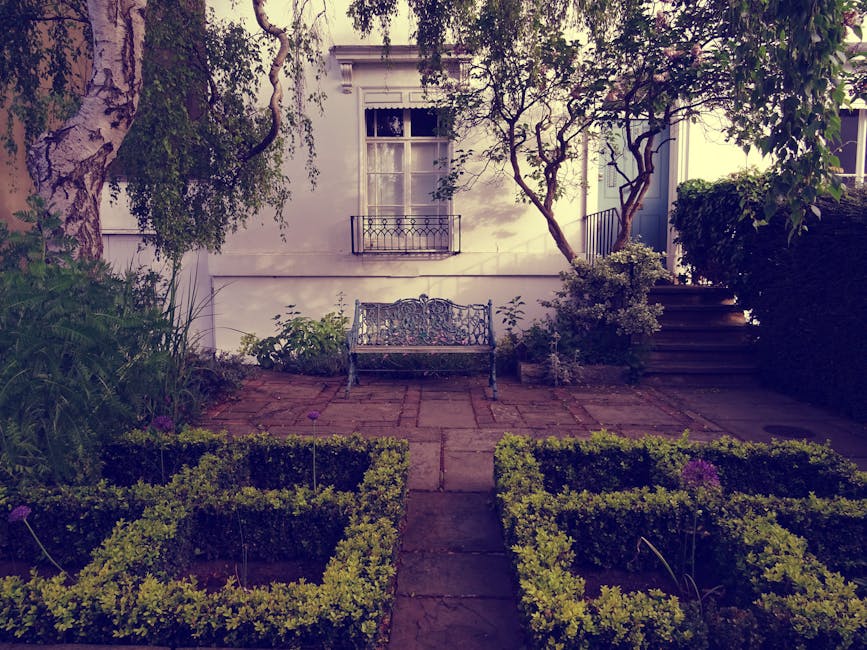
In a busy central London setting, keeping a garden attractive, practical, and healthy takes more than occasional attention. Gardeners Farringdon are often called upon to balance the demands of compact urban spaces, shaded courtyards, roof terraces, historic front gardens, and modern planted areas that need regular care. In this part of the city, outdoor spaces can be small but highly visible, which means every detail matters. A well-tended garden can soften brickwork, create privacy, encourage wildlife, and add calm to an otherwise fast-paced environment.
What makes gardeners in Farringdon especially valuable is their understanding of the area’s unique character. Many properties sit close to offices, apartments, cafés, and commercial buildings, so planting needs to be chosen carefully. Soil conditions may vary from one garden to the next, and light levels can change dramatically because of surrounding structures. Local horticultural knowledge helps gardeners make the right decisions about plant selection, maintenance schedules, seasonal upkeep, and long-term improvement. The result is a space that feels considered rather than crowded, and resilient rather than fragile.
For homeowners, landlords, and property managers alike, professional garden care can make a meaningful difference.
A tidy front garden improves first impressions, while a thoughtfully managed back garden becomes a place to relax, entertain, or simply enjoy a bit of greenery. In commercial settings, well-maintained planting can reflect professionalism and attention to detail. Whether the space is a small courtyard or a larger landscaped area, the right approach combines practical maintenance with creative design awareness.
Garden maintenance in Farringdon is rarely a one-size-fits-all service. Different properties require different levels of care, and each season brings its own priorities. In spring, plants begin to wake up and benefit from pruning, feeding, and mulching. Summer often calls for consistent watering, deadheading, pest monitoring, and trimming. Autumn is the time for clearing leaves, protecting vulnerable plants, and preparing beds for colder weather. Winter may seem quiet, but it is often the ideal season for structural pruning, planning improvements, and making sure the garden is ready for the coming year.
One reason people search for Farringdon gardeners is the need for dependable upkeep that keeps a garden looking good throughout the year. A neglected border can quickly become overgrown, while a regularly maintained one develops shape, colour, and rhythm. Trained gardeners know how to support healthy growth without overworking the plants. They can identify when a shrub needs thinning, when a lawn needs aeration, and when a climbing plant needs a stronger frame or a careful cutback. These small interventions often have a big impact.
In urban gardens, space is precious.
That means every square metre should work hard, not only aesthetically but also ecologically. A skilled gardener can introduce layers of planting that make a narrow area feel more expansive, or use containers to create seasonal changes without permanent construction. The best results often come from a combination of evergreen structure, flowering highlights, and textural contrast. This kind of planting design gives the garden presence in every season, even when many plants are not in bloom.
Why local knowledge matters for Farringdon gardens
Local experience is important because gardens in central London face conditions that differ from suburban or rural areas. Noise, pollution, shade, wind tunnels between buildings, and limited access for larger equipment can all affect how a garden performs. Farringdon gardening services are most effective when they account for these realities from the start. Instead of forcing a plant palette that will struggle, knowledgeable gardeners choose species that are suited to the environment. This improves survival rates, reduces wasted effort, and creates a more sustainable landscape.Many Farringdon properties also have distinctive architectural features that influence design choices. Period terraces may call for formal lines, climbing plants, and classic borders, while newer developments often suit clean shapes, restrained colour schemes, and low-maintenance planting. A good gardener respects the building as well as the garden. The aim is to create a sense of harmony, where the outdoor area feels connected to the property rather than added on as an afterthought. When this happens, the whole site gains value in both appearance and use.
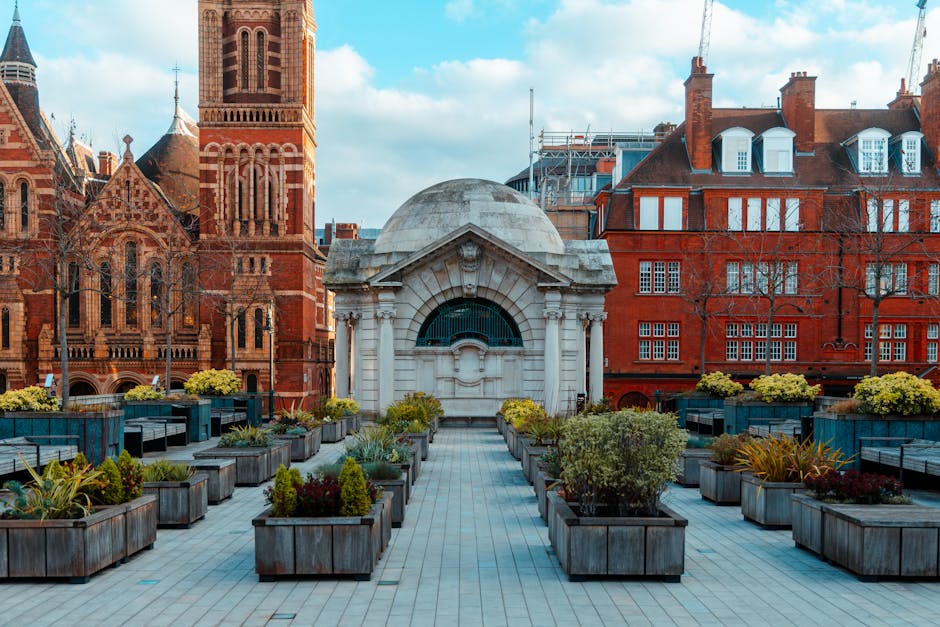
Another aspect that makes local gardeners in Farringdon so useful is their ability to work efficiently in compact or shared spaces. Courtyards, communal entrances, and rooftop planting areas may require careful coordination and a tidy working approach. Good gardeners understand how to minimise disruption while still delivering thorough care. They also recognise that access, storage, and water availability can limit what is possible, so they plan maintenance in ways that fit the environment rather than disrupt it.
Seasonal planting and lasting colour
One of the most rewarding parts of garden care is watching a space change through the year. Seasonal planting brings movement, interest, and anticipation. In a compact city garden, the right planting plan can create an impressive sense of variety without requiring a large footprint. Gardeners Farringdon often use combinations of bulbs, perennials, shrubs, and ornamental grasses to ensure that there is always something happening in the garden. This layered approach creates visual depth and makes even small spaces feel dynamic.Spring planting can introduce freshness after the darker months. Bulbs such as tulips, daffodils, and alliums can create strong early displays, while emerging perennials build a soft transition into warmer weather. In summer, flowering plants such as salvia, lavender, geraniums, and hydrangeas can keep colour going. Autumn adds richness through deep foliage, berries, and late-flowering species, while winter structure often comes from evergreens, bark texture, and carefully selected branches. The best planting schemes consider not just beauty, but timing, balance, and resilience.
For clients who want Farringdon garden maintenance that delivers reliable results, seasonal planning is essential. It is not enough to plant attractive specimens and hope for the best. The garden must be fed, cut back, refreshed, and monitored at the right moments. A garden that is managed with a seasonal rhythm tends to look more polished and natural at the same time. Rather than appearing forced, it evolves gracefully and rewards attention throughout the year.
Lawns, borders, containers, and structural planting
Many gardens in Farringdon rely on a mix of hard and soft landscaping elements. Lawns may be small but still important, offering a green counterpoint to paving or decking. Borders can be used to soften edges, hide unattractive views, and create an inviting sense of enclosure. Containers are especially useful where ground planting is limited, allowing for flexibility and easy seasonal changes. Experienced gardeners in Farringdon understand how to maintain all of these features so they work together rather than compete.A healthy lawn needs more than mowing. It benefits from scarifying, aerating, feeding, overseeding, and careful watering when conditions become dry. Border planting should be pruned and thinned to prevent overcrowding, while the soil needs mulching and replenishing to remain fertile. Containers require extra care because they dry out quickly and can become depleted more rapidly than planted beds. The gardener’s role is to keep all these areas in balance, preserving both appearance and plant health.
Structural planting is especially important in urban settings.
Evergreens, topiary forms, architectural shrubs, and climbing plants provide shape when seasonal flowers are not at their peak. They help create a strong visual framework and prevent the garden from feeling empty during quieter months. In a compact central London setting, this structure can be the difference between a space that feels unfinished and one that feels complete. It also makes maintenance easier because the garden has a clear underlying design that remains effective all year.
Practical maintenance with a thoughtful touch
Good garden care is as much about observation as physical work. Skilled gardeners Farringdon notice subtle changes before they become bigger problems. A leaf that shows early signs of disease, a hedge that is beginning to lose shape, or a patch of soil that dries too quickly may all require attention. When these issues are addressed early, the garden stays healthier and better balanced. This proactive approach is especially valuable in locations where plants may already be under pressure from shade, restricted roots, or urban exposure.Practical maintenance can include mowing, pruning, weeding, deadheading, staking, clipping, feeding, and general tidying. Yet the best results come when these tasks are carried out with a sense of design. For example, pruning should improve both health and form. Weeding should protect the overall planting scheme, not just remove obvious intruders. Even simple tasks like sweeping paths or refreshing mulch can have a strong effect on how the entire garden feels. The difference between ordinary and exceptional often lies in consistency and care.
There is also value in tailored garden maintenance in Farringdon. Every garden has its own needs, and those needs may change over time as plants mature or the use of the space evolves. A garden that once served mainly as a decorative backdrop may later become a dining space, a quiet retreat, or a more wildlife-friendly environment. When gardeners adapt their approach to these changing uses, the outdoor space remains relevant and enjoyable rather than static.
Sustainable choices for urban gardens
Sustainability has become a central concern in modern gardening, and Farringdon is no exception. In a dense urban setting, well-chosen plants and careful maintenance can support biodiversity, reduce waste, and improve the local microclimate. Gardeners in Farringdon can introduce pollinator-friendly plants, drought-tolerant species, and thoughtful mulching methods that help retain moisture and suppress weeds. These choices are not only environmentally responsible; they also make the garden more practical and cost-effective to maintain over the long term.Composting, water conservation, and selective pruning all contribute to healthier gardens. Organic matter returned to the soil improves structure and fertility, while a more natural approach to pest management can help avoid unnecessary chemical treatments. Even in a small garden, the right planting mix can encourage bees, butterflies, and birds. This adds life and movement to the space, making it more enjoyable to spend time in. The gardener’s task is to balance ecological value with the client’s desired look and level of maintenance.
Urban sustainability also includes choosing durable materials and planning for longevity. A garden that depends on constant replacement is neither efficient nor satisfying. By contrast, a well-designed space with robust planting, healthy soil, and simple maintenance routines will continue to look good with less effort. That is one reason why many people prefer Farringdon gardening specialists who think beyond short-term appearance and focus on lasting quality.
Enhancing small gardens, courtyards, and roof terraces
Not every garden in Farringdon is a classic lawn-and-border layout. Many are courtyards, terraces, balconies, or roof gardens where every detail must be considered carefully. These spaces often have limited soil depth, drainage challenges, exposure to wind, and structural constraints. A skilled gardener understands how to work within those limits while still creating a lush and welcoming atmosphere. Containers, raised beds, climbers, and compact planting schemes are especially useful here.Small gardens benefit from clear structure and a restrained approach. Too many competing elements can make the area feel crowded, while a well-edited design can create elegance and calm. Vertical planting is a particularly effective tool, allowing greenery to rise rather than spread outward. Trellises, walls, and fences can support climbers and add layers to the garden without consuming floor space. This is often the difference between a space that feels cramped and one that feels intentionally designed.
Gardeners Farringdon are also often called upon to improve the usability of these compact spaces. A roof terrace might need more wind protection, while a courtyard may benefit from more softness and shade-tolerant planting. Every adjustment should support the way people use the space. If the garden is meant for socialising, the planting should frame seating areas and leave room to move. If it is intended for quiet reflection, the layout should encourage privacy and gentle visual interest. The right garden care turns limitations into strengths.
Common priorities in well-managed Farringdon gardens
The most successful gardens usually share a few important characteristics. They are tidy without feeling sterile, structured without being rigid, and full of life without becoming chaotic. Below are some of the qualities that often define strong local garden care:- Balanced planting: a mix of evergreen structure and seasonal interest that keeps the space attractive year-round.
- Healthy soil: regular mulching, feeding, and soil improvement to support plant growth.
- Clean edges: crisp borders and tidy paths that make the garden look cared for.
- Appropriate pruning: shaping plants so they remain healthy, attractive, and in proportion.
- Efficient maintenance: regular work that prevents problems from building up.
- Smart plant selection: choosing species suited to light, exposure, and available space.
- Seasonal adjustment: adapting care to the demands of spring, summer, autumn, and winter.
These priorities may sound simple, but they require skill and attention to carry out well. A garden in central London may have less space for error, which means small improvements are often more noticeable. A border refreshed with mulch can instantly feel more polished. A hedge trimmed with care can improve light and openness. A container display renewed with fresh planting can change the tone of an entire entrance. The cumulative effect of these details is powerful.
As the garden matures, its needs may become more specific. Some plants will thrive and need controlling, while others may struggle and need replacing. A knowledgeable gardener observes these changes and responds accordingly. That responsiveness helps the garden stay attractive over time rather than slipping into inconsistency. In this sense, garden care is not a single event but an ongoing relationship with the space.
Creating gardens that feel calm, polished, and personal
One of the most appealing outcomes of professional garden care is the sense of calm it creates. In a district as active as Farringdon, outdoor space can offer a welcome contrast to the pace of the surrounding streets. Well-managed planting, clean surfaces, and carefully arranged features all contribute to a feeling of order and quiet. This does not mean the garden should feel overly formal. On the contrary, many of the best spaces feel relaxed, natural, and personal while still being carefully maintained.Personalisation matters because every client uses a garden differently. Some want a place to unwind after work. Others want a space for lunch, entertaining, or family time. Some simply want the garden to look smart from the window or street. A skilled gardener takes these preferences seriously, shaping the space to suit the people who live or work there. The result is a garden that feels specific to its setting rather than generic or copied from another property.
In the end, Gardeners Farringdon play an important role in helping outdoor spaces remain attractive, functional, and enjoyable across the year. Their work combines horticultural knowledge, practical skill, and an appreciation for the challenges of central London gardens. From small courtyards to larger planted spaces, their care supports healthy growth, strong design, and lasting value. For anyone looking to improve or maintain a garden in this area, local expertise can make all the difference.