Hedge Trimming in Farringdon: Practical Care for Neat, Healthy Outdoor Spaces
Why hedge trimming in Farringdon matters for homes and businesses
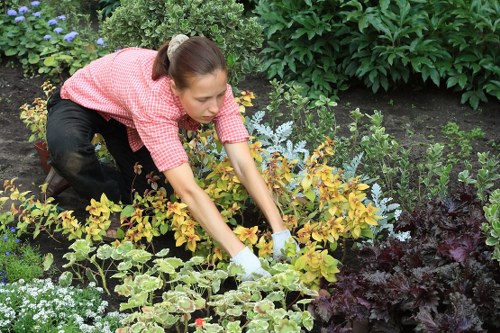
Hedge trimming in Farringdon is more than a finishing touch for a garden. It is a practical part of keeping outdoor spaces tidy, safe, and attractive throughout the year. In a busy area like Farringdon, where properties often balance limited space with a strong need for visual appeal, well-maintained hedges can make a noticeable difference. They can frame a frontage, soften hard landscaping, create privacy, and support the overall character of a property.
Regular hedge trimming also helps hedges stay healthy. When growth is left unmanaged, hedges can become dense, uneven, and prone to disease or dieback. Careful hedge cutting encourages fresh growth, maintains the right shape, and prevents branches from becoming too woody. For many property owners, hedge trimming in Farringdon is a routine service that protects both appearance and plant health.
Whether you manage a private garden, a commercial frontage, or communal grounds, timely hedge maintenance helps avoid larger problems later. It also keeps pathways, driveways, and windows clear from overgrowth. Well-shaped hedges make a strong first impression, and in an urban setting that can matter just as much as the planting itself.
Understanding the local context of hedge trimming in Farringdon
Farringdon has a unique blend of residential streets, commercial buildings, shared courtyards, and smaller green spaces. This means hedge trimming in Farringdon often needs a careful, site-specific approach. Not every hedge has the same purpose. Some are planted for privacy, some for boundary definition, and some for decorative structure. Each of these requires a different trimming style and schedule.
Urban hedging can also be affected by shade, pollution, compacted soil, and irregular watering. These conditions may slow growth or cause patchy areas, which means hedge trimming should be done with plant health in mind rather than simply cutting everything back to size. A skilled approach helps preserve natural form while improving density and balance.
Another important factor is the scale of the space. In smaller Farringdon gardens, a hedge may need to be kept compact so it does not overwhelm the area. In larger courtyards or perimeter plantings, hedge trimming may be used to maintain a crisp, formal appearance. The right trimming method depends on the hedge species, its location, and the look you want to achieve.
Benefits of regular hedge trimming
1. Improved appearance
One of the most obvious benefits of hedge trimming in Farringdon is visual improvement. A trimmed hedge creates clean lines and a more polished outdoor environment. This is particularly valuable for properties that face public streets or shared walkways, where appearance contributes to the overall impression of the building.
Trimming can help hedges look fuller and more balanced. Instead of becoming leggy or lopsided, the hedge can be shaped into a more uniform structure. This is especially useful for formal hedging such as box, yew, privet, and laurel, which are often chosen for their neat, clipped look.
Regular trimming can also support seasonal presentation. Many property owners in Farringdon like their outdoor areas to look smart for visitors, tenants, clients, or residents. In that sense, hedge maintenance is not just gardening; it is part of property care and presentation.
2. Healthier growth and stronger structure

Hedge trimming in Farringdon plays a key role in promoting healthy plant growth. When hedges are trimmed correctly, they are encouraged to produce fresh shoots from the lower and inner sections. This helps create a denser hedge that is better at screening views and resisting gaps.
Without regular maintenance, hedges may become too thick at the top and too thin at the bottom. This uneven growth can block light from reaching the lower branches, causing sparse patches over time. Trimming helps prevent this by keeping the hedge in a balanced shape that allows more even light distribution.
It is also easier to spot signs of stress, pests, or disease when a hedge is maintained regularly. Problems can be noticed earlier, which means they are more likely to be managed before they spread. For long-term hedge health, consistent trimming is often more effective than infrequent heavy cutting.
Choosing the right time for hedge trimming in Farringdon
Timing matters a great deal when it comes to hedge trimming. Different species have different growth patterns, and local conditions can affect how quickly a hedge responds after cutting. In many cases, light and regular trimming is preferable to one drastic annual cut.
As a general rule, hedges are often trimmed during the growing season to maintain shape and control size. However, flowering hedges may need attention after blooming to avoid removing next year’s buds. Fast-growing hedges may require several trims across the warmer months, while slower-growing varieties may only need attention once or twice a year.
In Farringdon, weather conditions and urban microclimates can influence the schedule too. Protected courtyards may see slightly earlier growth, while shaded or exposed locations may behave differently. Good hedge trimming in Farringdon means paying attention to the plant, not just the calendar.
Seasonal considerations

Spring is often a time of strong growth, which makes it useful for shaping and maintaining hedges before they become too large. Summer trimming can help keep growth in check and preserve a neat finish through the busier months. Autumn maintenance is often used to tidy hedges before winter, while winter work may be more limited depending on the species and weather.
Bird nesting season is another factor to consider. Hedges can provide important habitat, so trimming should always be planned responsibly. Careful checks before cutting help protect wildlife and avoid unnecessary disturbance. Responsible hedge trimming in Farringdon should respect both plant and habitat needs.
For many property owners, a simple seasonal plan is enough to keep hedges under control. A local trimming schedule can reduce the chance of overgrowth, especially where hedges grow near footpaths, fences, windows, or shared access points.
Popular hedge types that benefit from trimming
Different hedge species respond differently to trimming. Some tolerate hard shaping very well, while others need a lighter hand. Knowing the type of hedge on your property helps ensure the work is done correctly.
- Privet – fast-growing and easy to shape, often used for boundaries and privacy screens.
- Laurel – dense, broad-leaved, and ideal for larger screens, but can become bulky if neglected.
- Yew – a classic formal hedge that responds well to regular clipping.
- Box – suitable for low decorative edging and precise shapes.
- Beech – attractive in both green and copper forms, needing careful seasonal attention.
- Hawthorn – useful for mixed and traditional hedging, though the trimming approach may differ.
Each of these can be maintained effectively with the right hedge trimming approach. In Farringdon, where gardens may be compact and visibility important, choosing the correct method for the species is key to long-term success.
Hedge trimming styles that suit Farringdon properties
Not every hedge should look the same. Some properties need a formal, straight-edged finish, while others benefit from a softer, more natural outline. The right style depends on both practical and visual goals.
Formal trimming
Formal hedge trimming is used when clean geometry and uniformity are the priority. It is common for front gardens, boundary lines, and commercial properties that want a crisp finish. The hedge is trimmed regularly to maintain straight sides and a level top.
Informal trimming
Informal trimming suits hedges that are part of a more relaxed planting scheme. The aim is to reduce overgrowth while keeping the hedge’s natural shape. This can be a good option where wildlife value and visual softness are important.
Topiary and shaping
Some hedges are clipped into specific shapes or maintained as ornamental features. This requires more detailed work and a more frequent schedule. Precision matters when trimming decorative hedging, especially in visible spaces.
Whatever the style, hedge trimming in Farringdon should complement the architecture and layout of the property. A well-chosen shape can make even a small outdoor area feel more refined and cared for.
Why professional hedge trimming can be the better option
Some hedge maintenance can be handled by property owners, especially on smaller or lower hedges. However, professional hedge trimming in Farringdon often offers a better outcome for larger, taller, or more complex hedges. Professionals bring the right tools, experience, and understanding of plant structure.
A trained approach reduces the risk of uneven cuts, over-trimming, and accidental damage. It also makes it easier to deal with access issues such as narrow side passages, hard-to-reach boundary hedges, or heights that require safe equipment. For many busy property owners, this saves time and effort while delivering a cleaner result.
Professional hedge trimming also helps when hedges need more than a simple tidy-up. If the hedge has become overgrown, lopsided, or thin at the base, a considered restoration plan may be needed. That can involve phased cutting, selective reduction, and follow-up maintenance to bring the hedge back into good condition.
What a professional service may consider

A quality hedge trimming service does not begin and end with cutting. It usually starts with assessing the hedge’s species, age, condition, and desired shape. The trim must then be adapted to the plant and the site.
- Inspect hedge health and note any problem areas.
- Check for nesting birds or other wildlife concerns.
- Plan the cutting line for height, width, and symmetry.
- Trim gradually to avoid stress and bare patches.
- Clear away clippings for a neat finish.
- Review the hedge for missed areas or uneven sections.
These steps help produce a consistent result while protecting the hedge’s long-term condition. In a place like Farringdon, where presentation and efficiency matter, that attention to detail is highly valuable.
Common problems caused by neglected hedges
When hedges are left to grow unchecked, several issues can develop. These problems affect both the appearance of the property and the health of the hedge itself.
- Overcrowded branches that reduce airflow and light penetration.
- Uneven growth that makes the hedge look untidy or misshapen.
- Thin lower sections caused by poor light distribution.
- Encroachment onto paths, driveways, and neighbouring spaces.
- Higher maintenance costs due to the need for major corrective cutting.
Neglect can also make hedges harder to restore. Once a hedge becomes too woody or sparse, it may take multiple seasons of careful trimming to recover. Regular hedge trimming in Farringdon helps prevent this by keeping growth manageable from the start.
For commercial properties and managed residential spaces, neglect can also lead to complaints about visibility, access, or boundary encroachment. Keeping hedges well maintained reduces these risks and supports a more orderly environment.
Tools and techniques used in hedge trimming
Different tools may be used depending on hedge size, thickness, and height. For small hedges, hand shears can offer control and a precise finish. For larger hedges, powered hedge trimmers can improve efficiency and consistency. Long-reach equipment may be needed for tall or wide hedges.
The technique used is just as important as the tool itself. A hedge is often trimmed so the base is slightly wider than the top, allowing light to reach the lower branches. This simple shape helps the hedge stay dense from top to bottom. A flat top may look tidy, but the subtle taper is often better for long-term health.
Clean cuts are also important. Ragged cutting can stress the plant and leave it looking uneven. Careful hedge trimming in Farringdon should leave the hedge looking sharp without appearing harsh or damaged.
How hedge trimming improves kerb appeal
Kerb appeal matters for many reasons. It influences how a home is perceived, how inviting a business frontage looks, and how well a property fits into its surroundings. A trimmed hedge can frame windows, define pathways, and create a sense of order before anyone even steps inside.
In Farringdon, where properties often sit close to public view, hedge trimming can be one of the simplest ways to elevate exterior presentation. A tidy hedge suggests that the rest of the property is also well cared for. That impression can be especially helpful for landlords, businesses, and managed buildings.
Even modest hedges can have a big visual impact when kept neat. Their shape can soften walls, break up hard surfaces, and add texture to the streetscape. Good trimming is subtle, but the effect is immediate.
Safety and access considerations
Hedge trimming is not always straightforward, especially when hedges are tall, close to public areas, or located near uneven ground. Safety should always be part of the plan. Proper ladder use, stable footing, and the right cutting tools reduce the risk of accidents.
Access can also be challenging in Farringdon, where outdoor spaces may be compact or partially enclosed. Narrow alleyways, shared gardens, and rooftop or courtyard settings may all require a careful approach. Working efficiently without disturbing neighbours or blocking access is often an important part of the service.
For higher hedges, it is usually safer to use specialist equipment rather than attempting risky DIY trimming. This helps ensure the work is completed properly and with minimal disruption. In busy urban settings, that level of planning matters.
Maintaining hedge shape between trims
Between scheduled trims, there are simple ways to help hedges stay tidy for longer. Good care does not replace hedge cutting, but it can support the overall result and reduce stress on the plants.
- Water hedges during dry periods, especially newly planted ones.
- Remove obvious dead or broken branches when noticed.
- Keep the base clear of debris so growth is easy to inspect.
- Watch for signs of pests, disease, or stress.
- Plan trims before growth becomes too dense or heavy.
These habits make hedge trimming in Farringdon more effective over time. A hedge that is regularly observed and lightly cared for is far easier to maintain than one that is ignored until it becomes difficult to manage.
Why hedge trimming is an investment in property value
Well-maintained hedges contribute to a property’s overall condition and appeal. They help define boundaries, improve privacy, and present the outdoor area in a favourable light. For homes, this supports pride of ownership and everyday enjoyment. For commercial premises, it supports professionalism and brand image.
Hedge trimming in Farringdon can also protect the value of landscaping itself. Hedges that are cared for regularly are more likely to remain healthy and structurally sound. This can reduce the need for costly replacement planting and extensive restoration work later on.
In practical terms, a neat hedge is also less likely to interfere with access, visibility, or adjacent features. That makes it a smart maintenance choice as well as an aesthetic one. Regular hedge trimming is a small task that can deliver lasting benefits.
When to book hedge trimming in Farringdon
If your hedges are starting to lose shape, block light, or spread beyond their intended boundary, it is a good time to arrange trimming. Waiting too long often means more work and a less predictable result. Early intervention keeps the hedge easier to manage and helps preserve its natural structure.
It is also worth booking hedge trimming before special occasions, property inspections, or busy periods when presentation matters. A freshly trimmed hedge can make a noticeable difference to the look of the entire site. For landlords, business owners, and homeowners alike, that can be time well spent.
If you want outdoor spaces that look smart, function well, and remain manageable, hedge trimming in Farringdon should be part of your regular property care. Contact us today to keep your hedges neat, healthy, and ready to enhance your space. Book your service now.
Final thoughts on hedge trimming in Farringdon
Hedge trimming in Farringdon is a practical service with visible benefits. It supports plant health, improves curb appeal, protects access, and helps outdoor spaces feel more refined. Whether you need regular maintenance or a careful reshape, the right approach can make a substantial difference.
From compact urban gardens to commercial boundaries and communal spaces, hedges play an important role in defining the character of a property. Keeping them in good condition is one of the simplest ways to improve the look and function of an outdoor area. With the right timing, technique, and attention to detail, hedge trimming becomes an easy way to maintain order and beauty all year round.
If your hedges are due for attention, now is the right time to act. Neat edges, healthy growth, and a well-balanced shape all start with consistent care. Contact us today and take the next step toward cleaner, healthier hedging in Farringdon.